
Did you know that India’s interior design market is projected to grow at 8.5% annually through 2030? This explosive growth creates unprecedented opportunities for creative professionals seeking meaningful work.
Your journey into an interior design career India offers combines artistic passion with practical problem-solving. You’ll transform empty spaces into functional, beautiful environments that improve people’s lives daily.
The global market increasingly recognizes Indian designers for their unique blend of traditional aesthetics and modern innovation. This positioning gives you access to diverse projects spanning residential, commercial, and hospitality sectors.
This guide reveals everything you need to know about building a successful career in interior design India. You’ll discover professional roles available, current market demand, essential educational pathways, and financial prospects.
Whether you’re exploring new professional directions or seeking insights into India’s growing creative economy, you’ll find actionable information here. The combination of artistic fulfillment and strong earning potential makes this field highly attractive right now.
Key Takeaways
- India’s space planning market is experiencing robust 8.5% annual growth, creating abundant job opportunities for qualified professionals
- This profession merges creative expression with practical skills, offering both personal satisfaction and financial stability
- Indian designers are gaining global recognition for blending traditional aesthetics with contemporary solutions
- Multiple specialization paths exist, from residential projects to commercial and hospitality sectors
- Educational pathways and certification programs provide clear entry points into the profession
- The field offers strong earning potential alongside opportunities for artistic fulfillment and entrepreneurship
Understanding the Role of an Interior Designer
Thinking about a career in interior design? It’s important to know what it really means. Many people think it’s just about picking out curtains and paint colors. But it’s much more than that.
Interior design combines art and science to make spaces better for living and working. You’ll need to be good at both creative and analytical skills. Knowing what the job is all about helps you get ready for the challenges and rewards.
What Interior Design Really Means
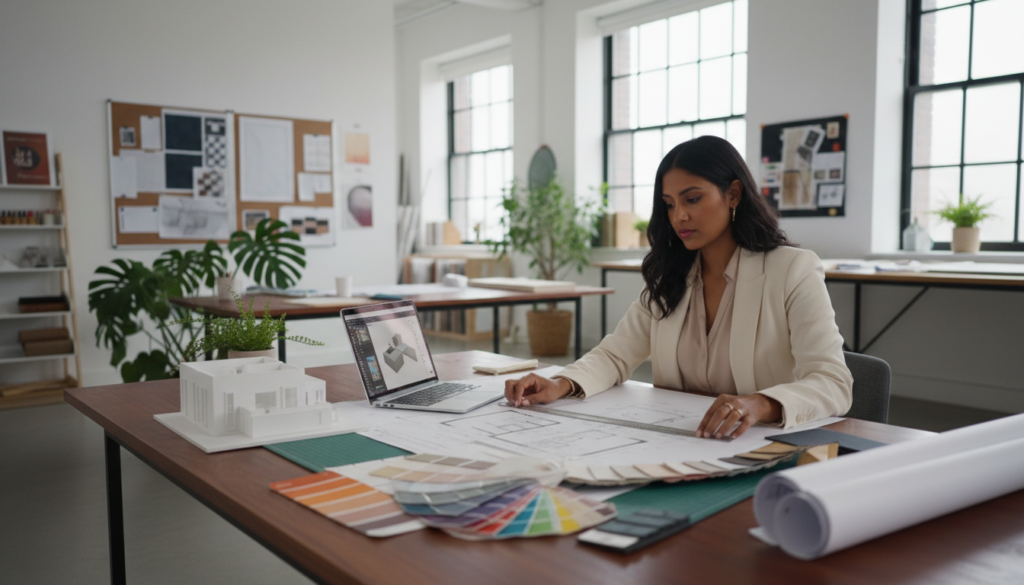
Interior design is a multifaceted profession that’s more than just decorating. It’s about making spaces better, safer, and more beautiful. You’ll learn how people use spaces and design them to meet their needs.
You’ll need to know a lot about building systems, materials, and construction. You’ll use architecture, engineering, and human behavior in your work. Unlike decorators, you’ll also need to know about structural elements, electrical systems, and plumbing.
Your designs must follow building codes, accessibility standards, and safety rules. This is what makes interior designers different from hobbyists. You’ll create detailed plans and documents for contractors to use during construction.
What Interior Designers Do Every Day
Your day-to-day work as an interior designer can vary. But there are some key tasks that define the job. Knowing these helps you see what your typical day and career path might look like.
The main tasks include:
- Client consultations to understand their needs, preferences, and budget
- Space planning to arrange rooms and improve flow
- Choosing materials and furniture that look good and last
- Creating detailed drawings with software like AutoCAD and SketchUp
- Managing projects and working with architects, contractors, and vendors
- Creating budgets and estimating costs for client projects
- Visiting sites to check on installations and ensure quality
You’ll always have to balance your creative ideas with practical limits. Building codes, safety rules, and client budgets will shape your designs. Successful designers learn to create beautiful spaces within these limits.
The interior designer salary shows how complex and responsible the job is. Pay varies based on experience, location, and specialization. Beginners start at a moderate salary, while experienced designers with strong portfolios earn more.
Project size also affects how much you can earn. Residential projects might pay differently than commercial ones. As you gain experience and build a reputation, your salary will increase.
Essential Skills for Your Success
To succeed in interior design, you need a mix of technical and interpersonal skills. You’ll learn hard skills through education and develop soft skills through experience. These skills will help you grow in the competitive interior design career India market.
The technical skills you must master include:
- Proficiency in design software like AutoCAD, SketchUp, and 3D rendering programs
- Understanding color theory and how colors affect mood and perception
- Knowledge of spatial relationships and how to manipulate scale and proportion
- Familiarity with building materials, textiles, and their uses
- Understanding of lighting design principles for both natural and artificial sources
Communication abilities are just as important as technical skills. You’ll need to present ideas to clients, negotiate with vendors, and work with construction teams. Clear communication is key to bringing your vision to life.
Being good at project management is crucial. You’ll handle multiple projects at once, meeting deadlines and staying within budgets. Good time management and organization skills are essential as your practice grows.
Understanding business is key to your career in interior design. Knowing about contracts, pricing, and marketing helps you build a successful practice. Many talented designers struggle because they lack these business basics.
Analytical thinking is important for solving complex problems and troubleshooting during construction. Combining artistic vision with logical problem-solving sets top designers apart.
The Growing Demand for Interior Designers in India
India’s real estate sector is booming, making interior design a fast-growing field. The growing middle class and increased disposable income boost demand. This is a great time to enter this dynamic industry.
Understanding the market helps you see where you can make a difference. India offers diverse opportunities in interior design. From luxury homes to innovative commercial spaces, the field is expanding everywhere.
Market Trends and Opportunities
The interior design market in India is growing fast. Real estate development in residential, commercial, and hospitality sectors creates a constant need for design expertise. This growth means lots of design jobs in cities like Mumbai and Delhi.
India’s unique blend of traditional and modern design offers special opportunities. Clients want designers who can mix cultural heritage with modern comforts and sustainability.
Several areas offer strong opportunities for your career in interior design India:
- Sustainable Design: Eco-friendly solutions using renewable materials and energy-efficient systems
- Hospitality Design: Hotels, resorts, restaurants requiring distinctive atmospheres that enhance guest experiences
- Retail Environments: Stores and showrooms designed to optimize customer engagement and sales
- Residential Luxury Projects: High-end apartments and homes for affluent clients seeking personalized spaces
- Workplace Design: Modern offices emphasizing collaboration, productivity, and employee wellness
The table below shows key market segments and their growth potential. It helps you find where your interests match market demand:
| Design Sector | Growth Rate | Key Opportunities | Skill Focus |
|---|---|---|---|
| Residential Design | 12-15% annually | Smart homes, compact living, luxury apartments | Space optimization, technology integration |
| Commercial Offices | 18-20% annually | Co-working spaces, corporate headquarters, flexible layouts | Workplace psychology, brand expression |
| Hospitality & Retail | 14-17% annually | Boutique hotels, experiential retail, themed restaurants | Customer experience, cultural storytelling |
| Sustainable Projects | 22-25% annually | Green buildings, eco-resorts, wellness centers | Environmental certifications, material knowledge |
Impact of Urbanization on Interior Design
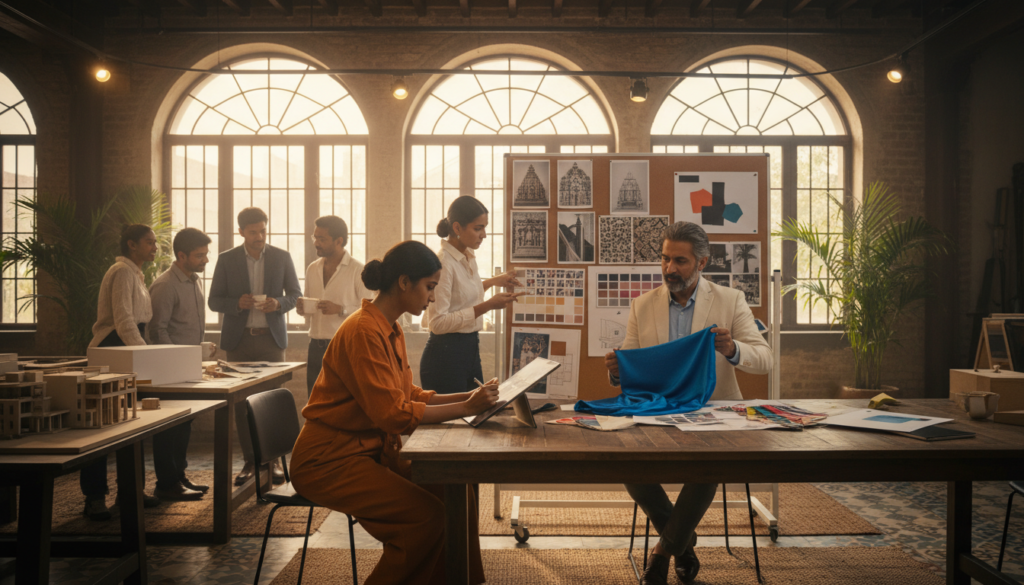
Urban growth in cities like Mumbai and Bangalore creates unprecedented demand for interior design. This growth reshapes how Indians live and work. Your skills are crucial for solving complex spatial challenges.
Urban housing projects offer a big opportunity. Designers must creatively optimize space in high-rise apartments. Clients want stylish, functional living spaces despite limited square footage.
Commercial spaces, hotels, and restaurants are multiplying in cities. Each project requires specialized knowledge and creative problem-solving. Mixed-use developments challenge designers to create cohesive environments for different functions.
Tier-two cities like Pune and Ahmedabad are growing fast. These markets have less competition and more appreciation for design services. This allows you to establish your reputation quickly.
Urbanization brings challenges that highlight the value of your skills. Traffic congestion means more time at home, raising comfort and functionality expectations. Environmental concerns and noise pollution in cities require sustainable and acoustic design solutions.
Notable Projects and Innovations
India’s design sector showcases cutting-edge work recognized globally. Examining these projects reveals the creative possibilities in interior design. From eco-friendly resorts to innovative co-working spaces, Indian designers shape how people experience their environments.
Indian designers lead in smart home integration. Projects incorporating automated systems enhance living spaces. Your knowledge of these systems is valuable as clients seek connected home solutions.
Sustainable design projects show India’s environmental commitment. Designers use reclaimed materials and green technologies. Your expertise in sustainability is increasingly marketable as environmental awareness grows.
Heritage conservation projects offer unique opportunities. Converting historical structures into modern spaces requires specialized skills. These projects allow you to contribute to cultural preservation while showcasing your creativity.
Indian designers are increasingly recognized globally. This recognition elevates the profession and opens international opportunities. Your work in India’s vibrant design scene can lead to global career possibilities, proving that choosing design jobs in India expands your horizons.
How to Start Your Career in Interior Design
To start in interior design, you need the right education and training. There are many paths to choose from, depending on your goals and how you learn best.
Educational Pathways and Certifications
First, pick the right education. You can get a Bachelor’s degree in interior design, which takes three to four years. Diploma programs are shorter but focus on specific skills. You can also get certifications in areas like 3D visualization or sustainable design.
Accredited programs give you both classroom learning and real-world experience. This includes internships. It prepares you for the jobs available in India. Your portfolio, built during training, is key when looking for work.
Why Choose NIF Global Siliguri
NIF Global Siliguri has a curriculum made for the Indian market. It combines creativity with technical skills through projects. You also get to know design professionals and companies, opening job doors.
The program teaches both local and global design principles. This prepares you for projects in various markets. It boosts your chances in the interior design field in India.
Contact Information for Inquiries
Want to learn more? Call NIF Global Siliguri at +91 98326 40060 or email nifsiliguri@gmail.com. Talk about courses, admission, fees, and job support that fits your goals.