
Did you know that India’s creative industry is projected to grow by 11.5% annually? This growth will create over 1.2 million jobs by 2025. It has turned regional educational hubs into places where aspiring designers can start their careers.
If you’re looking into creative careers, fashion design courses in this area offer great benefits. You’ll find affordable programs that mix traditional textile heritage with the latest trends in the industry.
This guide will help you understand everything about getting a creative education here. You’ll learn about NIF Global Siliguri, a top local school for specialized training. You can reach them at +91 98326 40060 or nifsiliguri@gmail.com to find out more.
Whether you just graduated from high school, are a working professional looking to change careers, or someone who loves to turn their creativity into a job, this guide is for you. It will show you how to apply, what the programs are like, and the exciting jobs you can get after you graduate.
The area’s growing creative scene, with its mix of traditional crafts and modern trends, makes North Bengal a great place for your creative education.
Key Takeaways
- India’s creative industry is growing fast, with a 11.5% annual increase, offering many job opportunities for trained professionals.
- Regional educational programs are affordable and offer quality training that combines traditional crafts with modern practices.
- NIF Global Siliguri is the top school in the area for creative training programs.
- This guide covers how to apply, what the programs are like, and the jobs you can get after graduation.
- The region has unique benefits, including a growing creative community and connections to textile heritage.
- Educational opportunities are available for high school graduates, career switchers, and creative enthusiasts.
Overview of Fashion Design Courses in North Bengal
If you love fashion, the right education in North Bengal can turn your dreams into a career. This area is known for top-notch fashion design programs. They mix creativity with real-world skills, preparing you for the fashion world.
Success in fashion needs more than talent. You need structured learning, mentorship, and hands-on practice. The programs here cater to all skill levels and goals, whether you’re starting or refining your skills.
Why Formal Training Matters for Your Fashion Career
Fashion education gives you an edge that self-teaching can’t. Professional programs teach you technical skills that take years to learn on your own. Employers look for graduates with these skills because they know they’re ready for the job.
Learning goes beyond just drawing pretty designs. You’ll learn about textiles, how fabrics behave, and how to make clothes that look good and work well.
Pattern-making and garment construction are key. These skills set you apart from hobbyists. You’ll learn how to make patterns fit different body types and how to make your designs ready for mass production.
Understanding the business side of fashion is also crucial. You’ll study costing, production planning, and marketing. These skills help you work in big fashion houses or start your own label.
Fashion is not just in clothes. It’s in the sky, the street, and in ideas. It’s about how we live and what’s happening.
Your Educational Journey Through Fashion Design
When you start a quality program, you’ll learn many aspects of the industry. You’ll learn design principles, color theory, and how to illustrate your ideas. These basics are the foundation for all your advanced learning.
Computer-aided design (CAD) software has changed the fashion world. You’ll learn to use industry-standard programs to create digital designs and present your ideas professionally. This skill makes you more valuable to employers.
Hands-on workshops are a big part of your education. You’ll spend a lot of time in studios learning to work with fabric. These sessions help you build confidence and solve problems.
Fashion history and trend forecasting classes teach you about style evolution and future trends. This knowledge helps you create designs that are both current and forward-thinking. You’ll study iconic designers and how social factors influence fashion.
Building a professional portfolio is a big part of your education. Your teachers will help you create a portfolio that showcases your best work. This portfolio is your most powerful tool when looking for a job or clients.
The following table outlines what you can expect during different stages of your fashion education:
| Course Component | Skills Developed | Time Investment | Career Application |
|---|---|---|---|
| Design Fundamentals | Sketching, color theory, design principles, illustration techniques | First semester | Concept development, client presentations, visual communication |
| Technical Skills | Pattern-making, draping, sewing, garment construction, fitting | Throughout program | Sample creation, production oversight, quality control |
| Digital Technology | CAD software, digital illustration, 3D modeling, tech packs | Second semester onward | Remote collaboration, fast prototyping, modern industry standards |
| Business Knowledge | Merchandising, marketing, costing, brand development, sustainability | Final year | Entrepreneurship, management roles, strategic planning |
Exploring Different Paths Within Fashion Design
Knowing about design specializations early helps you choose your career path. North Bengal’s fashion institutes offer many specializations. Each requires specific skills and offers unique opportunities.
Apparel design is the most popular. It focuses on creating clothing for various markets. You’ll learn to design for different demographics and price points while developing your style.
Accessory design includes footwear, handbags, jewelry, and more. You’ll learn about materials and how to complement overall fashion looks. The accessory market offers great opportunities for independent designers.
Textile design focuses on creating fabrics rather than garments. You’ll learn about weaving, printing, dyeing, and surface treatments. Textile designers work with apparel manufacturers, home furnishing companies, and automotive industries, making it a versatile career.
Fashion merchandising combines business with fashion knowledge. If you’re interested in the commercial side of fashion, this path teaches you about retail operations and consumer behavior. Merchandisers connect designers with customers.
Costume design for film, theater, and television offers creative freedom. You’ll learn about period-specific design and how to work within budgets and timelines. This specialization requires strong research skills and historical knowledge.
Sustainable fashion addresses environmental concerns. You’ll study eco-friendly materials and production methods. This field is growing as consumers demand more responsible fashion.
Fashion communication includes styling, journalism, photography, and public relations. If you have strong communication skills, this path allows you to shape how fashion is presented. It’s perfect for those who love to communicate fashion ideas.
The diversity of specializations means you can choose what fits your strengths and interests. Many students explore different areas before focusing. Some professionals combine specializations for unique career paths.
NIF Global Siliguri: Your Local Fashion Design Institute
Starting your journey in fashion begins with the right school. Many think they must go to big cities like Mumbai or Delhi. But, NIF Global Siliguri brings top education right to you. This means you can follow your dreams without the cost and culture shock of moving far away.
The institute sees North Bengal’s unique benefits for fashion learning. The area’s rich textile history and location offer special learning chances.
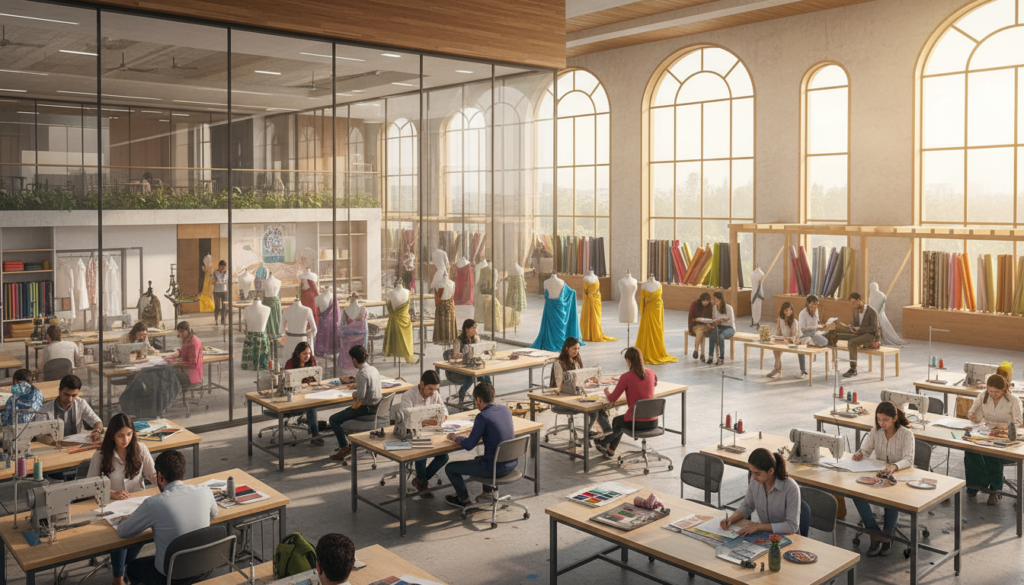
Your Gateway to Professional Fashion Education
NIF Global Siliguri aims to give you top fashion design education close to home. You don’t have to choose between quality and convenience here. The school mixes global standards with hands-on training for real-world success.
The campus has top-notch facilities like big cities. You’ll use professional tools, modern studios, and big libraries. These help you learn by doing, just like the big fashion houses.
Teachers at NIF Global Siliguri have lots of industry experience. They’ve worked with big brands and know the market well. Their real-world knowledge adds to what you learn in class.
Connections with the fashion world are key at NIF Global Siliguri. The school works with fashion companies and brands all over India and beyond. This helps with internships, live projects, and jobs after you graduate.
Want to learn more? Contact NIF Global Siliguri at +91 98326 40060 or nifsiliguri@gmail.com. The team is ready to answer your questions and show you around.
Comprehensive Program Options
NIF Global Siliguri offers many fashion courses. Whether you’re starting or improving your skills, there’s something for you.
Diploma courses give you a solid base in fashion design. They last one to two years and cover the basics from drawing to making clothes.
Undergraduate degrees offer a deeper dive into fashion. You’ll learn about fashion theory, textiles, computer design, and more. This prepares you for many careers.
Certificate programs focus on specific areas like styling or textile design. They’re great for those who want to specialize.
Short courses are for those who want to try fashion design without a big commitment. They’re quick and cover skills like draping or digital illustration.
All programs at NIF Global balance three key areas. Creative expression lets you show your style. Technical skills help you make your ideas real. And business knowledge prepares you for the fashion world.
Real Success from Real Students
The success of NIF Global Siliguri’s graduates shows its value. Alumni have found many paths in the fashion world.
Some have started their own fashion labels, bringing new ideas to the market. They say the entrepreneurship training helped them take the leap.
Others work for big brands in India. They’ve become design assistants, pattern makers, and more. Their skills and portfolio from NIF Global opened these doors.
Freelance design is another path for graduates. They work with boutiques, do custom orders, and more. Their diverse skills from NIF Global prepared them for this.
Some students use NIF Global as a stepping stone to more education. They’ve gotten into top international fashion schools, thanks to their training.
“Choosing NIF Global Siliguri was the best decision for my career. The practical training and industry exposure I received helped me secure my dream job within three months of graduation.”
These stories show what you can achieve with quality fashion education. NIF Global’s skilled teachers, modern facilities, and industry connections help your dreams come true.
Admission Process for Fashion Design Courses
The journey to get into fashion design courses is filled with steps like educational needs, creative tests, and money planning. Knowing what schools want from you makes things clearer and helps you get ready early. Each program has its own way, but knowing the basics helps you plan better.
When you choose North Bengal fashion courses, you’ll find unique steps compared to regular school programs. Schools look at your school grades and creative skills. They want to see your love for design and your ability to do the coursework.
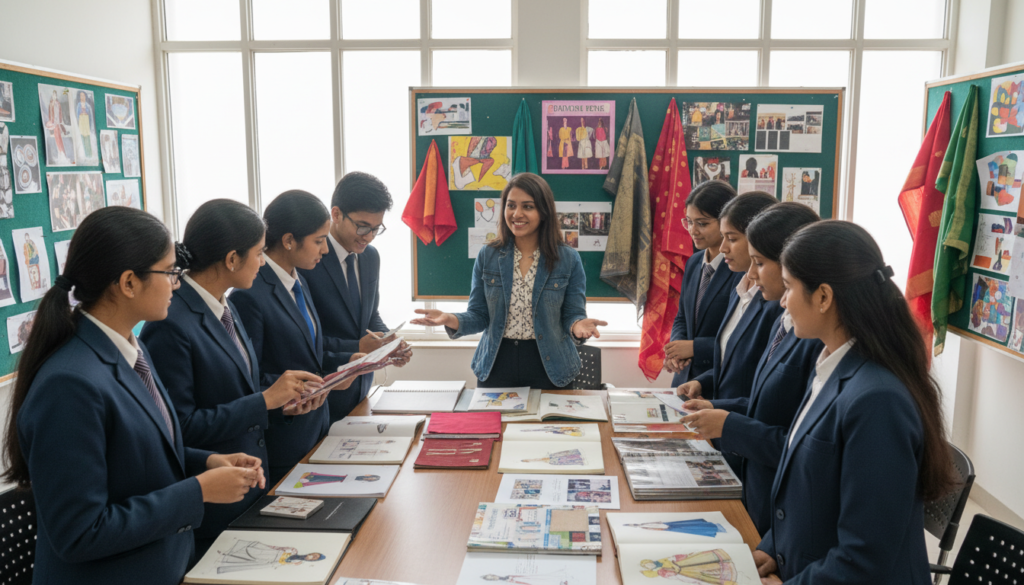
What You Need to Qualify for Admission
To qualify for fashion education eligibility, you need to meet certain criteria. Most fashion courses in North Bengal ask for a high school diploma or its equivalent. This ensures you have the basic skills for advanced design education.
Different levels of programs have different needs. Diploma courses usually accept students right after 10th or 12th grade. Degree programs often require a 12th grade diploma with a certain percentage in your exams.
Along with your school records, many schools look at your creative side. You might need to show a portfolio of your artistic work, like sketches or design ideas. Some programs have entrance tests to check your drawing, color sense, and design skills.
Age limits are usually low for fashion design programs. Most schools welcome students from 16 years old and up. Your passion for fashion and eagerness to learn are more important than your age or past experience.
How to Submit Your Application Successfully
The design school application process has a clear timeline you should understand. Most fashion schools in North Bengal announce their admission times several months before classes start. This gives you enough time to get your documents and prepare your application.
Your application will need some key documents:
- Academic transcripts and certificates from your past schools
- Recent passport-sized photos that meet the school’s requirements
- Proof of identity like an Aadhaar card or passport
- A creative portfolio if the program requires it
- Score from any entrance exams if needed
For details on fashion design admission at NIF Global Siliguri, contact their admission counselors at +91 98326 40060 or email nifsiliguri@gmail.com. They offer personalized advice based on your education and career goals. They’ll guide you through each step and share important admission dates.
Many schools hold personal interviews or counseling sessions after you apply. This lets them check your communication skills and interest in fashion design. It also gives you a chance to ask about the curriculum, facilities, and career support.
Application deadlines vary by school and program. Applying early can increase your chances of getting in. Some popular courses fill up fast, so apply early to secure your spot.
Financial Support Options Available to You
Financing your fashion education is easier with the many scholarships and financial aid options out there. Many students think design courses are too expensive, but there are ways to make it affordable.
Merit-based scholarships reward students with great grades or creative talent. These scholarships can cover part or all of your tuition fees, depending on your achievements. Schools usually announce scholarship details when they announce admissions.
Need-based financial aid helps students from low-income backgrounds get quality education. You’ll need to provide income certificates and other documents to qualify. Government scholarships also support vocational and professional education in creative fields.
Education loans are another way to fund your fashion design studies. Many banks and financial institutions offer loans for education with good interest rates and flexible repayment plans. You can start repaying these loans after you finish your course and get a job.
| Financial Aid Type | Eligibility Basis | Coverage Amount | Application Requirement |
|---|---|---|---|
| Merit Scholarships | Academic excellence or creative portfolio quality | 20-100% of tuition fees | High grades or outstanding design work |
| Need-Based Aid | Family income below threshold | 30-75% of tuition fees | Income certificate and financial documents |
| Government Schemes | Category-specific (SC/ST/OBC/Minority) | Variable based on program | Caste certificate and academic records |
| Education Loans | Admission confirmation and co-applicant | Full course fees plus living expenses | Bank application with guarantor |
| Installment Plans | All admitted students | No discount, spread payments | Agreement with institute administration |
Many schools offer installment payment plans to make tuition fees more manageable. This helps reduce the financial burden on your family. You can discuss payment options during the admission counseling.
Some fashion schools have partnerships with industry partners who sponsor talented students. These sponsorships might require you to do an internship or work commitment after graduation. Such arrangements provide financial help and can lead to job opportunities.
Looking into all financial options before applying helps you make smart choices about your education investment. Don’t let money worries stop you from exploring your passion for fashion design. With the right mix of scholarships, loans, and payment plans, your education can be affordable and accessible.
Career Opportunities After Completing a Fashion Design Course
Your fashion design education opens doors to many career paths. The skills you learn prepare you for roles beyond just being a designer. Knowing these opportunities helps you plan your career path.
Job Roles in the Fashion Industry
Fashion design careers offer many specializations. You can be an apparel designer for brands or a textile designer. Fashion illustrators bring designs to life, and pattern makers turn designs into technical plans.
Other jobs include fashion buyers, merchandisers, stylists, and costume designers for movies and TV. You could also be a fashion journalist or an educator. Each role has its own creative challenges and opportunities for growth.
Emerging Trends in Fashion Careers
New technologies bring exciting opportunities in sustainable fashion and digital design. You can also work in smart textile innovation. Personal branding consultants and e-commerce entrepreneurs are also in demand. These areas let you introduce new ideas to the industry.
How to Prepare for a Job in Fashion Design
Building a strong portfolio is key for any design career. Gain practical experience through internships. Improve your technical skills and communication abilities.
Networking and staying updated with trends are also crucial. They help you succeed in the competitive fashion design field.